
HEAR US:
Behavioral Health Recovery Services Project

A Statewide Story of Behavioral Health, Healing and Community Leadership
Powered by 102 community partners, the Behavioral Health Recovery Services Project, also referred to as HEAR US, reached over 116,000 people in 34 California counties — bringing culturally responsive, healing‑centered care where it was needed most.
HEAR US addressed long‑standing gaps in behavioral health care by investing in community‑designed, culturally responsive services. From 2021 to 2025 the program supported flexible funding which allowed partners to expand locally grounded approaches including telehealth, mobile outreach, warm lines in multiple languages, harm‑reduction services and whole‑person supports that connected people to housing, food, transportation and legal assistance. These low‑barrier models made care accessible to people often underserved by traditional systems.
Peer support was central to the initiative’s success. Organizations hired staff with lived experience who reflected the communities they served, helping reduce stigma, strengthen trust and improve engagement in treatment. Many clients reported meaningful progress in their recovery, including improved coping skills, restored family relationships and increased stability in housing, employment and education.
Together, these strategies demonstrated that community‑rooted, culturally responsive behavioral health care is both effective and scalable. HEAR US offers a clear model for strengthening equity and expanding access to behavioral health services across California.
116,000+ Californians accessed services and supports
89%of community partners implemented culturally responsive care
102community partners across California
56%of staff served with lived experience
Project Highlights
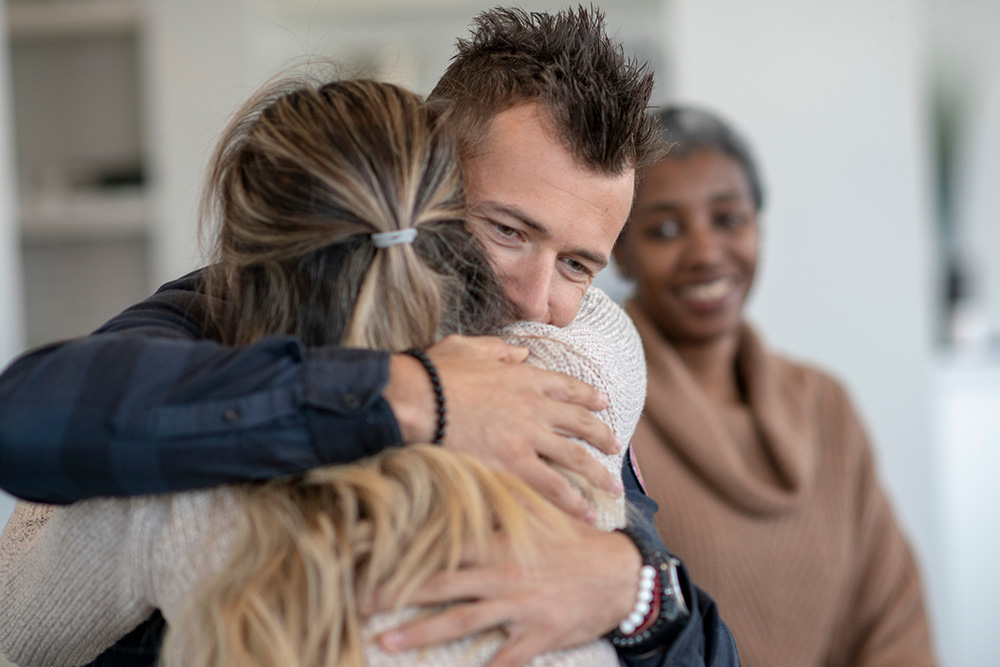
116,065 people reached — with culturally responsive care that actually works
Across 102 funded partners, HEAR US programs delivered services to 116,065+ individuals through August 2025, with big increases in culturally responsive care and integrated peer support — the backbone of improved engagement and reduced stigma.
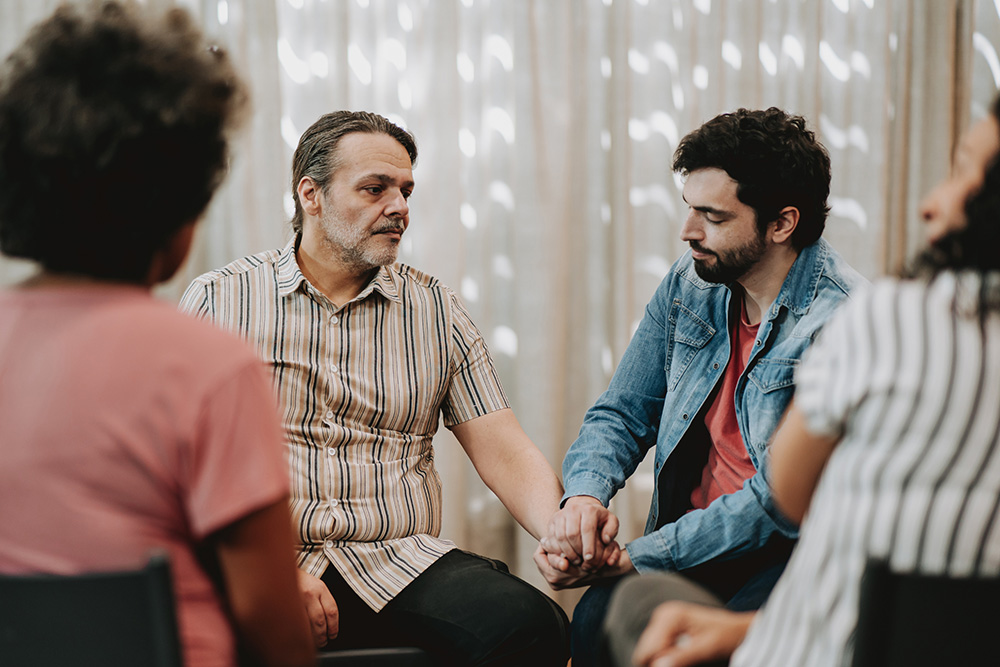
Workforce transformation powered by lived experience
More than 56% of staff had lived experience, and organizations used HEAR US funds to train peer specialists, build pipelines and strengthen cultural competence statewide. Programs reported greater trust, higher persistence in services and reduced stigma because staff reflected the communities they served.
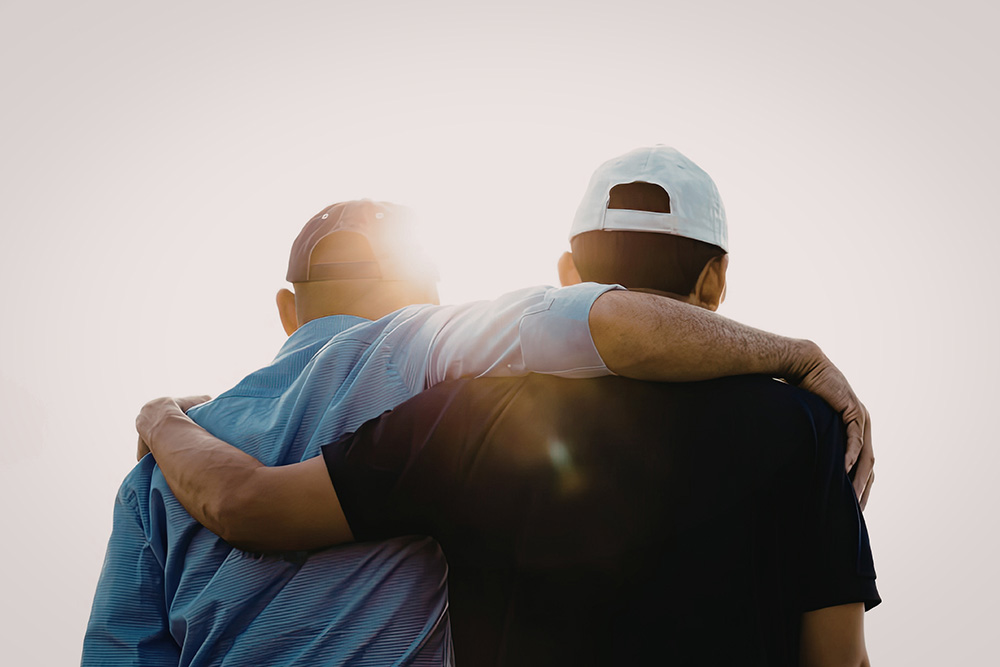
Whole‑person, flexible, low‑barrier care changed lives
Flexible funding allowed partners to combine mental health + SUD support, offer telehealth, mobile outreach, harm reduction, cultural healing practices and wraparound supports like food, housing navigation and transportation. Clients reported better coping skills, improved well‑being and tangible life changes such as stable housing, regained custody and employment.
Community Partners
A Hopeful Encounter
Launched the “Be the Light” Hmong mental‑health event series reaching 3,500+ youth and families with dance, storytelling, and stigma‑reduction programming.
Adventist Health Clearlake Hospital
Created a detox referral partnership, trained peer support specialists (first in hospital history), and expanded CHW training into neighboring counties.
African American Family & Cultural Center
Provided trauma‑informed SUD/MH services to 395 BIPOC community members and fully trained staff and 22 peer leaders in culturally responsive care.
Alcott Center for Mental Health Services
Integrated peer support into its Interim Housing Program for the first time, training 8 peer specialists and supporting 40 individuals with co‑occurring needs.
Ampla Health
Expanded its SUD program, hired an additional counselor, and reached 600+ people across rural counties with culturally responsive services.
Another Choice, Another Chance
Enhanced services with alternative recovery supports such as line dancing, meditation, and journaling, improving long‑term program engagement.
Asian American Drug Abuse Program, Inc.
Helped 10 individuals become certified peers, served 47 more API community members, and created a 40‑member culturally aligned 12‑step group.
Asian Health Services
Provided MH support to 237 LEP community members, reached 700+ through outreach, and translated materials into six languages.
Beit T’Shuvah
Served 123 LGBTQIA+ individuals, trained 100% of staff in culturally responsive practices, and launched new focus‑group‑driven recovery groups.
Binational of Central California
Delivered MH services to 1,200+ people across six counties, trained 548 youth, and translated resources into Spanish, Indigenous, Hmong, and Punjabi languages.
Black Resiliency Project
Provided harm‑reduction services to 800+ people; hosted 21 wellness events; and saw 91% of clients report improved mental well‑being.
Cal Voices
Provided tools and training for 217 peer support specialists and convened statewide discussions on cultural humility and harm reduction.
California Access Coalition
Trained 40 behavioral‑health providers in leadership, self‑care, and culturally responsive strategies, with strong community feedback.
California Association of Alcohol and Drug Program Executives (CAADPE)
Supported three partner programs serving 635+ individuals, trained 69 staff, and helped agencies obtain certifications for long‑term sustainability.
California Consortium for Prevention and Intervention (CalCPI)
Trained 20 staff in trauma‑informed practices, expanded services to 122 students, and increased access for Native, AAPI, African American, and LGBTQ+ communities.
California Consortium of Addiction Programs and Professionals (CCAPP) Education
Built new educational pathways to prepare 10,000 SUD counselors with credentials in diversity, harm reduction, and medication‑assisted recovery.
California Heritage Indigenous Research Project (CHIRP)
Re‑established Nisenan presence on ancestral lands, provided services to 30 tribal members, and trained staff in culturally grounded care.
Cancer Patients Alliance
Created a four‑organization alliance, provided guidance to 1,700+ individuals (majority Latino), trained bilingual peer specialists, and reached 4,500 through outreach.
Center for Empowering Refugees and Immigrants (CERI)
Served 500+ clients in their native languages, using trust‑building casework to expand access to MH counseling and support.
Center Point Drug Abuse Alternatives Center (DAAC)
Expanded harm‑reduction services by 383%, saved lives through overdose response, increased language access, and laid groundwork for MAT policy recommendations.
CLARE | MATRIX
Enrolled 101 new clients in opioid treatment, trained 1,300+ people on overdose prevention, and delivered bilingual, trauma‑informed services.
Community Agency for Resources Advocacy and Services (CARAS)
Served 150 individuals, trained staff in culturally responsive care, translated materials for the Latino community, and held large community forums.
Community Health Centers of the Central Coast
Achieved major increases in access among BIPOC, LGBTQ+, LEP, uninsured, and unhoused populations; expanded workforce and partnerships.
Community Medical Centers
Expanded youth services by 8.75%, delivered SUD prevention to 107 students, and extended case management to families.
Compass Family Services
Hired its first BIPOC therapist and SUD counselor, served families through therapy and groups, and trained 200 staff.
Consumers Self Help Center (DBA Sustainable Wellness Solutions)
Engaged nearly 200 unhoused individuals via mobile outreach, distributing care kits and strengthening trauma‑informed processes.
Contra Costa Interfaith Transitional Housing (DBA Hope Solutions)
Launched a Wellness Program serving 69 adults at risk of eviction, preventing 100% of evictions and strengthening supportive relationships.
Corporation for Supportive Housing
Developed the AT HOME peer guide used countywide, piloted with 78 tenants who reported reduced isolation and increased stability.
Crossroads Recovery Center
Provided Indigenous‑led behavioral health services to 120 individuals, trained 4 peers, and reduced crisis‑level emergency visits.
El Dorado County Community Health Center
Reached 1,000+ community members with culturally aligned SUD and overdose‑prevention education.
El Sol Neighborhood Educational Center
Reached 45,176 individuals through outreach, conducted 224 trainings, and certified 30 community health workers.
ExpresArte Cultural Wellness Collective
Served 335 individuals across 19 zip codes, trained 39 professionals, expanded healing gardens, and supported community fellowships.
Family Assistance Program
Served 175 LGBTQIA+/BIPOC individuals with SUD services, connected youth to treatment, and expanded school‑based MH outreach.
Glide Foundation
Trained peers who supported 75+ people, launched its first peer advocacy group, and expanded outreach in the Tenderloin.
Grandview Foundation
Built a strong peer‑support workforce, growing to five full‑time specialists and expanding recovery program offerings.
Harmonium
Supported 400+ youth with SEL services, created calm spaces at 25 sites, and reduced incidents by 65%.
Homeboy Industries
Provided SUD/MH services to 1,788 individuals, trained 32 peers who supported 9,637 people, and expanded cultural wellness programming.
Indian Health Center of Santa Clara Valley
Served 2,232 clients with culturally aligned services, expanded traditional healing ceremonies, and trained staff and peers extensively.
Inner‑Tribal Treatment
Served 180+ Native community members, trained 12 peers delivering 400+ naloxone trainings, and expanded culturally rooted housing and treatment.
Interfaith Community Services
Trained 175 staff, implemented 24/7 interpretation, expanded peer‑led services to 800 clients, and reached 3,100 through outreach.
JWCH Institute
Launched a peer program in Skid Row with cohort trainings and peer hiring to support housing and recovery.
Kno’Qoti Native Wellness
Served 141 individuals, trained 100% of staff, convened 150+ professionals for cultural‑awareness workshops, and became an ECM provider.
Korean Community Center of the East Bay (KCCEB)
Expanded to five counties, supported 125 clients with wraparound care, and delivered emergency trauma‑informed crisis response.
Koreatown Youth and Community Center (KYCC)
Reached 1,033 individuals with integrated services, launched a Traditional Healing Arts Festival, and implemented a youth empowerment program.
Legacy Alliance Outreach
Served 653+ individuals, trained peers reaching 358 people, and saw reductions in violence, harm, and recidivism.
Lifelong Medical Care
Implemented peer support at its drop‑in BH site, trained four peers, and increased BH engagement by 45%.
Lily of the Valley Emmanuel Church of Jesus Christ
Served 107 individuals, trained 33 staff, conducted 386 trainings, and expanded peer support through 22 newly trained peers.
Los Angeles Centers for Alcohol and Drug Abuse (LA CADA)
Opened the first LGBTQ Center in Whittier, served 300+ people, trained 100% of staff, and launched peer‑leader training for 15 individuals.
Lyon‑Martin Community Health Services
Provided 1,086 outreach interactions, linked 250 individuals to care, and expanded MH staffing to meet demand.
Mariposa County Behavioral Health and Recovery Services
Served 140 people, trained 47% of staff, launched a countywide CIE system, and expanded peer services to 457 clients.
Mariposa Women and Family Center
Served 209 people, trained 100% of staff, translated Spanish materials, and trained 7 peers to extend services.
Mary’s Mercy Center
Provided recovery services to 19 families, trained staff in MRT, and expanded partnerships to support families into permanent housing
MCAVHN Care and Prevention Network
Delivered peer‑led wellness groups, helped clients gain employment, and strengthened community connection through group support.
Mental Health Association for Chinese Communities (MHACC)
Trained 25 MPSS candidates (40% certified), reached 3,000+ through warmline and workshops, and engaged 30,000 through outreach and digital tools.
Merced Lao Family Community
Served 153 Southeast Asian clients, held 16 group discussions, 42 peer sessions, and 8 cultural healing events.
Mercy Health
Reached 551,678 individuals through outreach, trained 3,268 in harm reduction, and empowered 56 youth leaders to reach thousands more.
Mixteco Indigena Community Organizing Project (MICOP)
Delivered culturally rooted MH services to 209 Indigenous migrants, with 90% reporting symptom reduction.
Multi‑Ethnic Collaborative of Community Agencies (MECCA)
Served 16,001 individuals, embedded harm reduction in cultural spaces, and trained all staff in culturally responsive care.
NAMI California
Trained 85 new Spanish/Latinx program leaders across 22 counties and delivered services to 1,092 individuals statewide
NAMI San Mateo County
Reached 324 community members through 38 culturally aligned outreach activities led by bilingual staff with lived experience.
National Foster Youth Institute (NFYI)
Elevated insights from 68 foster youth into policy recommendations and convened statewide dialogues on youth MH/SUD needs.
New Directions
Provided immediate MH access, served 37 individuals, trained peers serving 80, and reduced premature discharges and hospitalizations.
New Directions Alcohol and Drug Treatment Services
Expanded peer workforce, increasing census by 30%, and hosted large community events supporting recovery access.
North County Connection
Launched the region’s first SMART Recovery group, expanded peer navigation, and began street outreach offering showers, food, and justice support.
Oakland LGBTQ Community Center
Served 27 LGBTQ+ individuals, trained all staff in culturally responsive care, and improved treatment navigation and support‑group engagement.
ONTRACK Program Resources
Served 40 individuals deeply through Soul Space, delivered 393 empowerment activities, and reached 2,789 through outreach.
Opening the World
Trained 6 peer mentors supporting 100+ youth, ran harm‑reduction groups, and created a resource database for youth BH navigation.
Orange County Asian and Pacific Islander Community Alliance (OCAPICA)
Served 228 clients, reached 3,809 through outreach, and trained staff in culturally responsive care.
Painted Brain
Certified 51 people in MPSS, provided weekly recovery groups, and supported workforce development with exam prep and resume training.
Peer Voices of Orange County
Served 527 people, trained 22 peers, reached 500+ more through peer support, and built LMS, mentorship, and data‑tracking systems.
Petaluma Health Center
Reduced Spanish‑speaker wait times, trained 35% of staff, and launched a bilingual associate training pipeline.
Promesa Behavioral Health
Served 63 Latino individuals, expanded telehealth, increased treatment duration, and used cultural healing practices like the Art of Anger.
Rainbow Pride Youth Alliance
Connected 145 LGBTQ+ youth to free therapy and recovery supports, increasing engagement by 150%.
Ready to Work
Served 180+ reentry individuals, launched peer‑led groups, trained all staff in cultural responsiveness, and improved treatment access.
Sacramento LGBT Community Center
Served 117 LGBTQ+ youth and adults, trained 456 providers, and expanded MH and recovery outreach.
San Francisco AIDS Foundation
Translated materials for Spanish‑speaking communities and reached 1,500+ with BH advocacy and education.
San Francisco Drug Users Union
Created Vanguard Labs for art‑based harm reduction, peer groups, and destigmatized community connection.
San Ysidro Health
Integrated BH into its gender‑affirming clinic, served 179 clients, reduced wait times dramatically, and launched peer orientations and groups.
Sister to Sister 2 (DBA Serenity House Oakland)
Expanded peer‑led services, grew its care team, increased client reach, and added recovery housing and employment support.
Social Justice Collaborative
Served 170+ Latinx and Indigenous Mam clients, hosted bilingual clinics, and trained staff in trauma‑informed, culturally responsive care.
Social Model Recovery Systems
Engaged 1,200+ unhoused individuals, prevented overdoses, and expanded expressive arts, LGBTQ+ groups, and trauma‑informed services.
Somali Family Service of San Diego
Opened the Ihsan Center, served 1,023 refugees/immigrants, trained 94% of staff, and translated materials into 10+ languages.
South Central Family Health Center
Served 132 individuals, trained staff, translated materials, and integrated peer support into BH services for the first time.
Special Service for Groups (SSG) / APAIT
Served 37 LGBTQIA‑2S adults with SMI/SUD, exceeded service goals, hired a Spanish‑speaking therapist, and expanded outreach partnerships.
Starting Over
Served 156 individuals, celebrated 47 graduations, held 53 healing circles, and hosted community healing events.
Sterling Solutions
Trained 38 BIPOC peer support specialists, with 75% employed and 58% certified; expanded rural listening sessions.
TabiMOMS
Served 60 clients, trained half its staff, translated materials into Tagalog and Spanish, and launched a multilingual BH needs survey.
Tapestry Family Services
Served 135 individuals, trained staff, translated materials, and brought therapists into remote Native communities for the first time.
The Cambodian Family
Trained 100% of staff, certified 12 MH interpreters, trained 56 community ambassadors, and reached 350 individuals with culturally aligned support.
The Happier Life Project
Served 5,000+ through direct peer services, reached 15,000+ through outreach, supported 2,100+ Native relatives, and launched a Spanish stigma campaign.
The TransLatin@ Coalition
Trained 100% of staff, reduced housing insecurity by 90%, supported 111 clients through peer services, and saw major improvements in well‑being.
True North Housing Alliance
Served 1,716 unhoused individuals, transitioned 230 into housing, trained SUD‑certified staff, and increased housing sustainability to 93%.
Two Feathers Native American Family Services
Served 55 individuals, trained 20 peers and 8 youth ambassadors, and expanded culturally grounded youth mental‑health support in schools.
UCSF Alliance Health Project
Served 71 clients, achieved 91% engagement in BH services, and made 194 supportive referrals despite delayed start.
United Parents
Opened two bilingual drop‑in centers, served 1,000+ families, and connected hundreds more to essential supports.
United Way Monterey County
Built a collaborative MH/SUD education initiative reaching predominantly Oaxacan Indigenous families, establishing long‑term trust.
United Way of Northern California
Trained 69 Lay Counselors across rural counties to expand culturally responsive BH capacity.
Valley Voices
Provided 200+ hours of counseling to 120 clients, trained 433 in trauma‑informed care, and helped 339 community members navigate services.
VelNonArt Transformative Health
Served nearly 3,000 unhoused and justice‑involved individuals and trained all staff in culturally responsive care.
Westminster Free Clinic
Delivered 9,400 services to 3,241 low‑income Latino residents, including counseling, wellness classes, and parent trainings.
Youth Empowerments Finest
Trained 26 youth leaders, mentored students across 30 sites, and served 250 individuals with SUD/MH support.
Youth Spirit Artworks
Served 195 TQBIPOC unhoused youth and trained all staff in trauma‑responsive care, including somatic and suicide‑prevention models.